JUC 并发编程
多线程进阶——JUC并发编程
Section titled “多线程进阶——JUC并发编程”准备工作
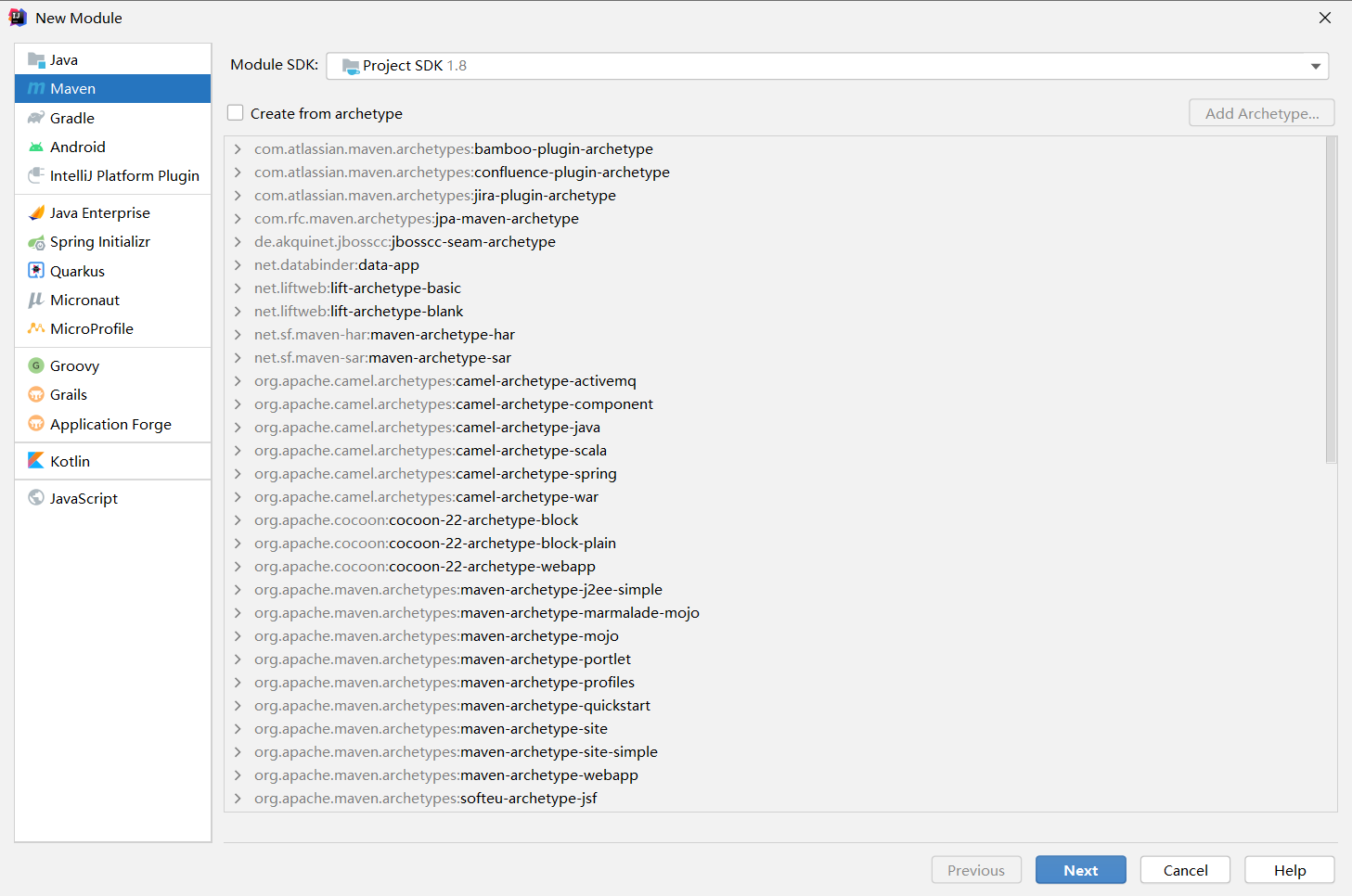
- 新建一个maven项目。
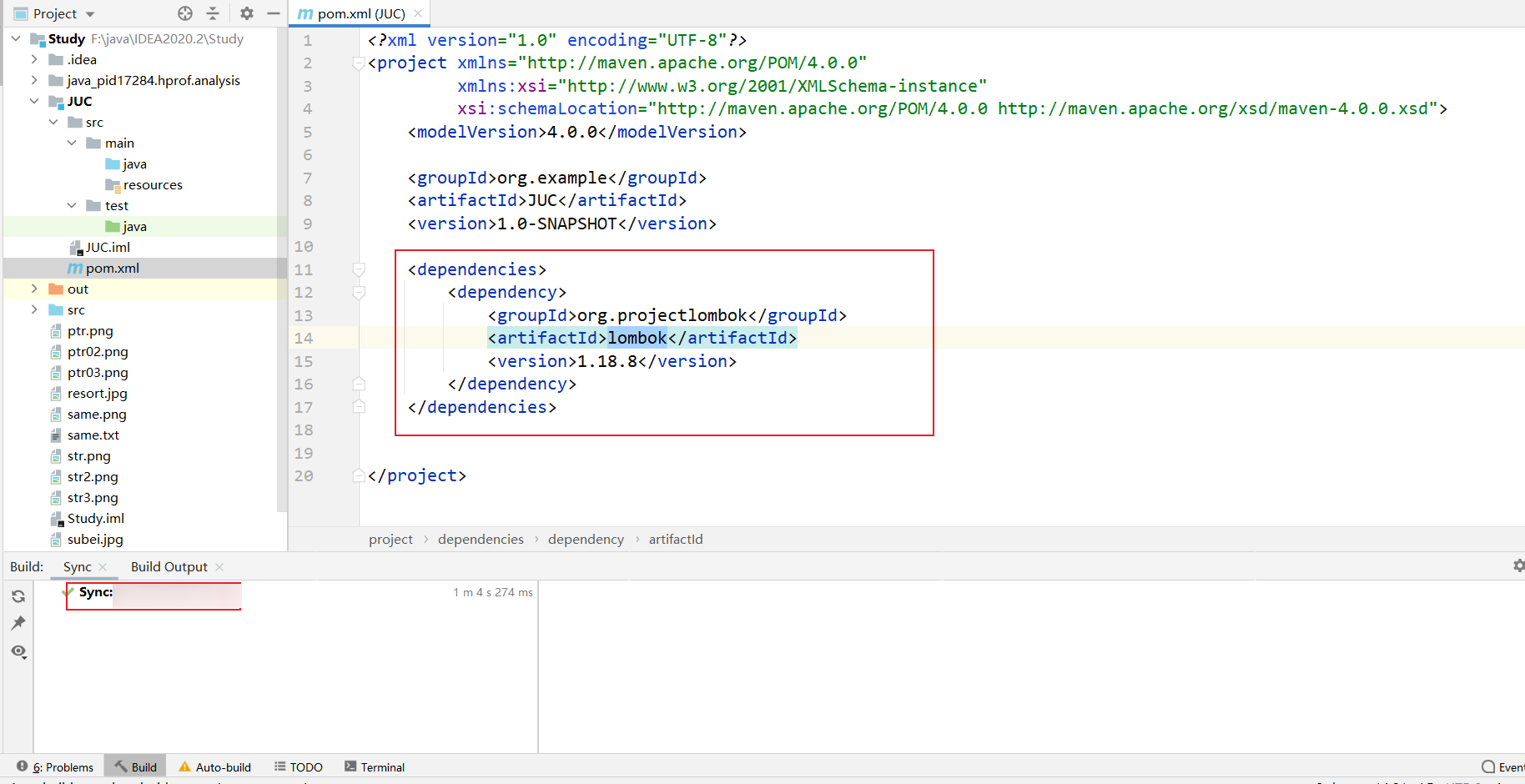
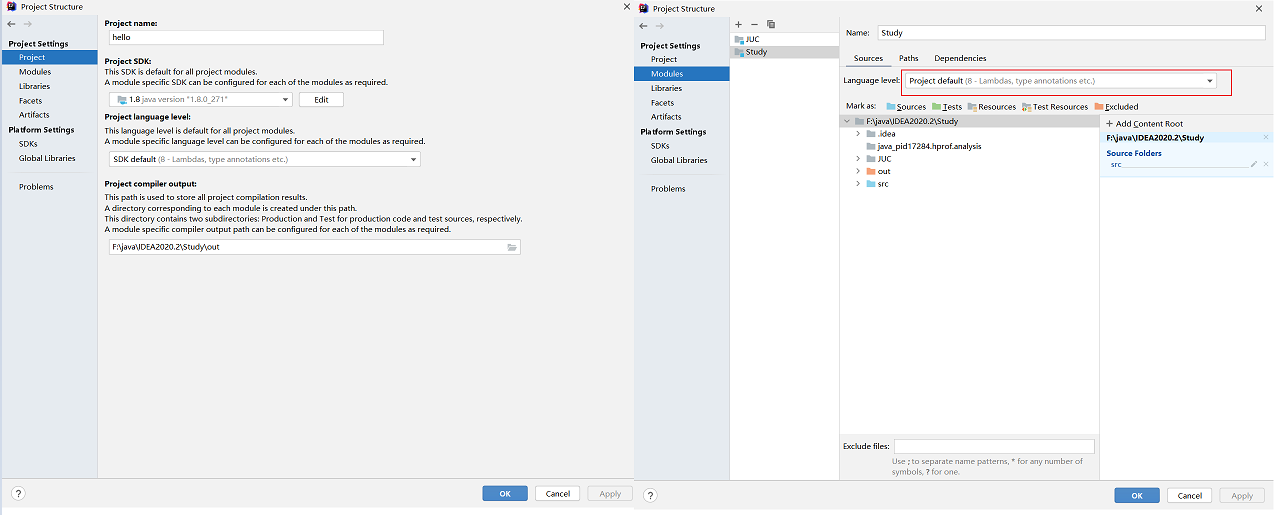
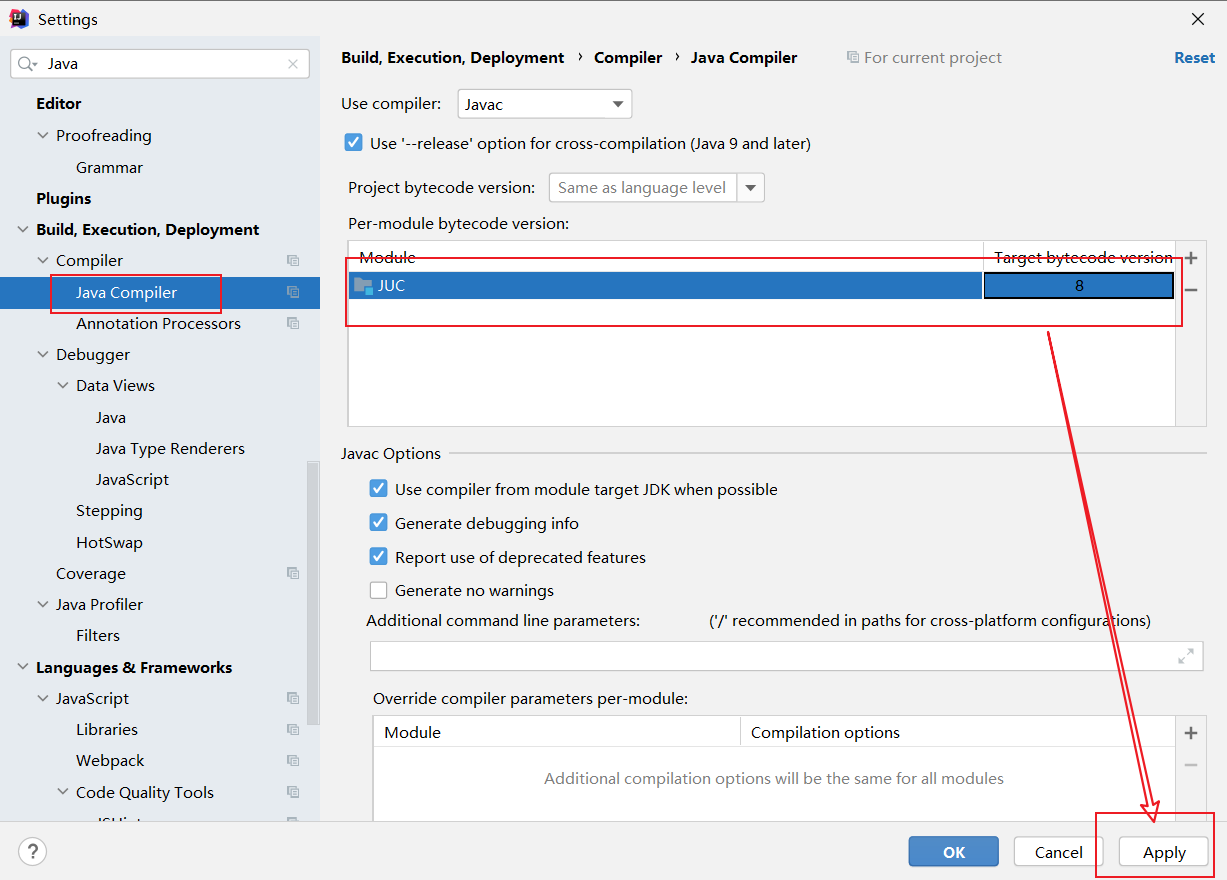
- 检查准备环境。
1.什么是JUC
Section titled “1.什么是JUC”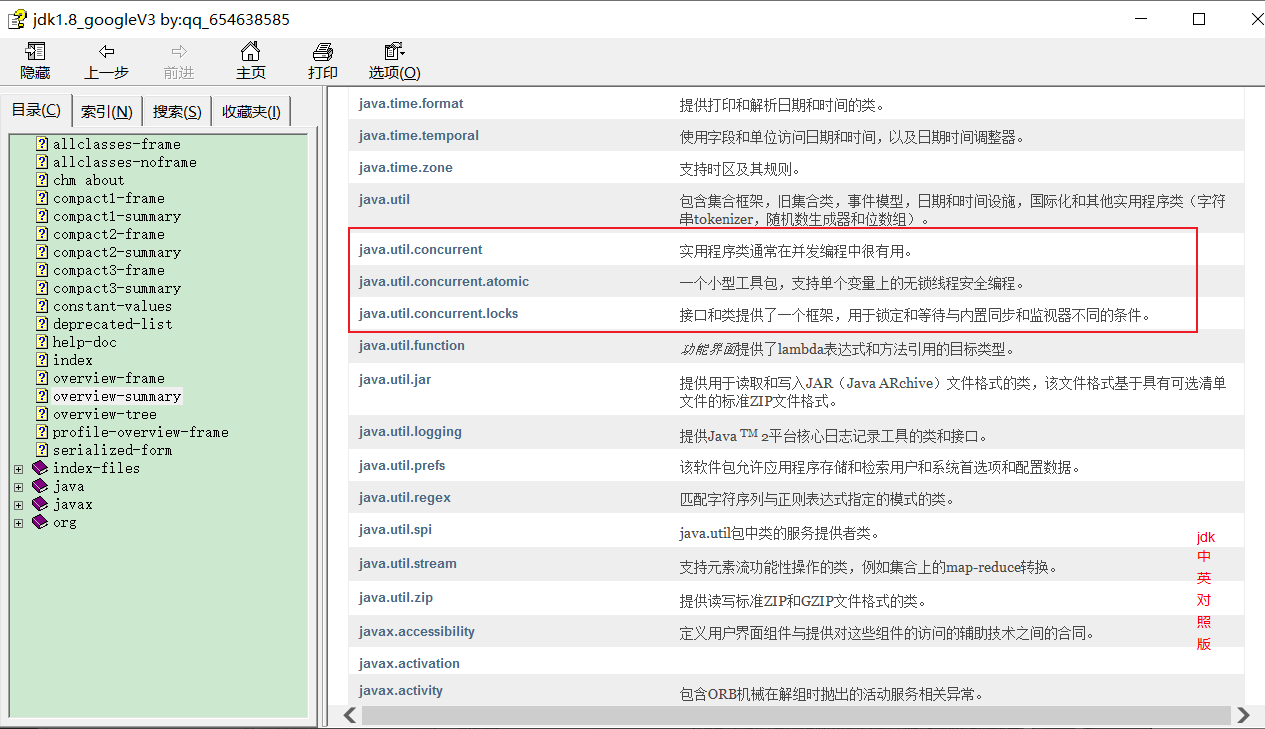
- Java.util工具包。
- 业务:普通的线程代码——Thread。
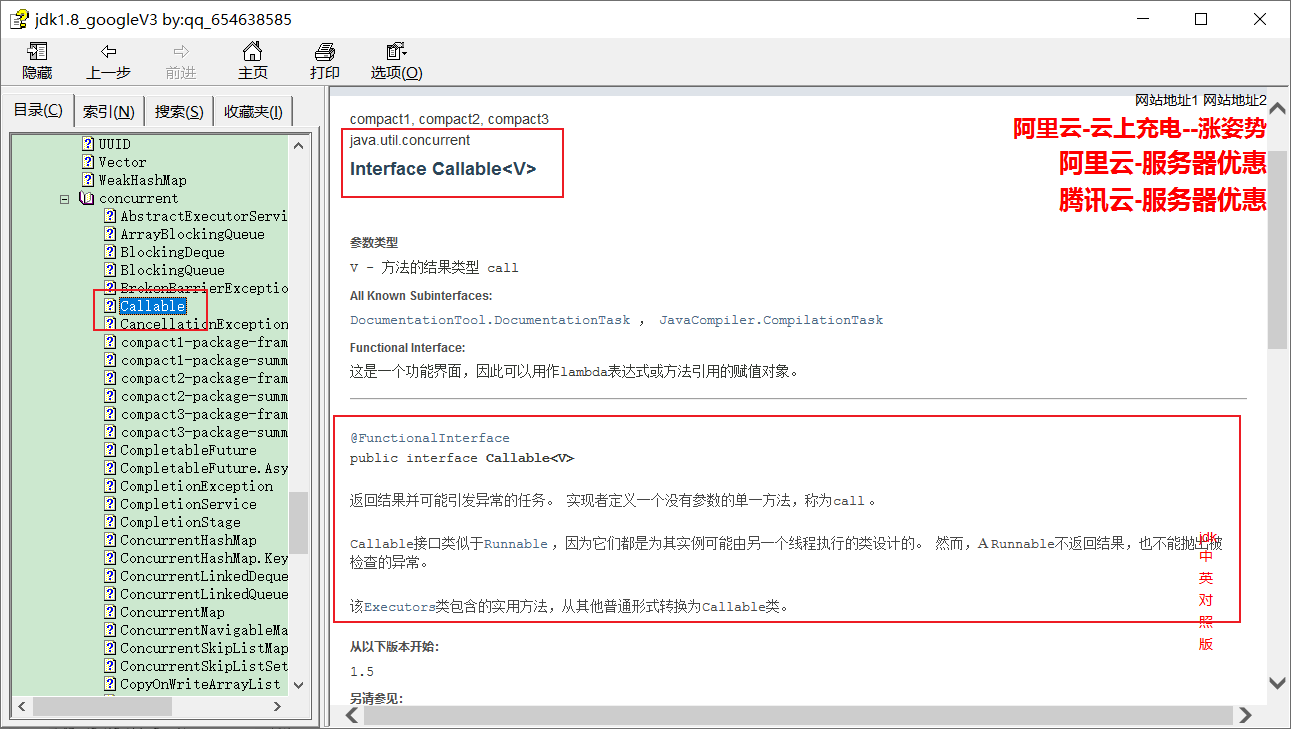
- Runnable:没有返回值、效率相比于Callable相对较低!
2.线程和进程
Section titled “2.线程和进程”线程、进程。
- 进程:一个程序,QQ.exe Music.exe,程序的集合。
- 一个进程可以包含几个线程,至少包含一个。
- Java默认有几个线程?
- 两个,main、GC
- 线程: 开了一个进程——Typora软件,写字、自动保存(线程负责)。
- 对于Java而言:Thread、Runnable、Callable。
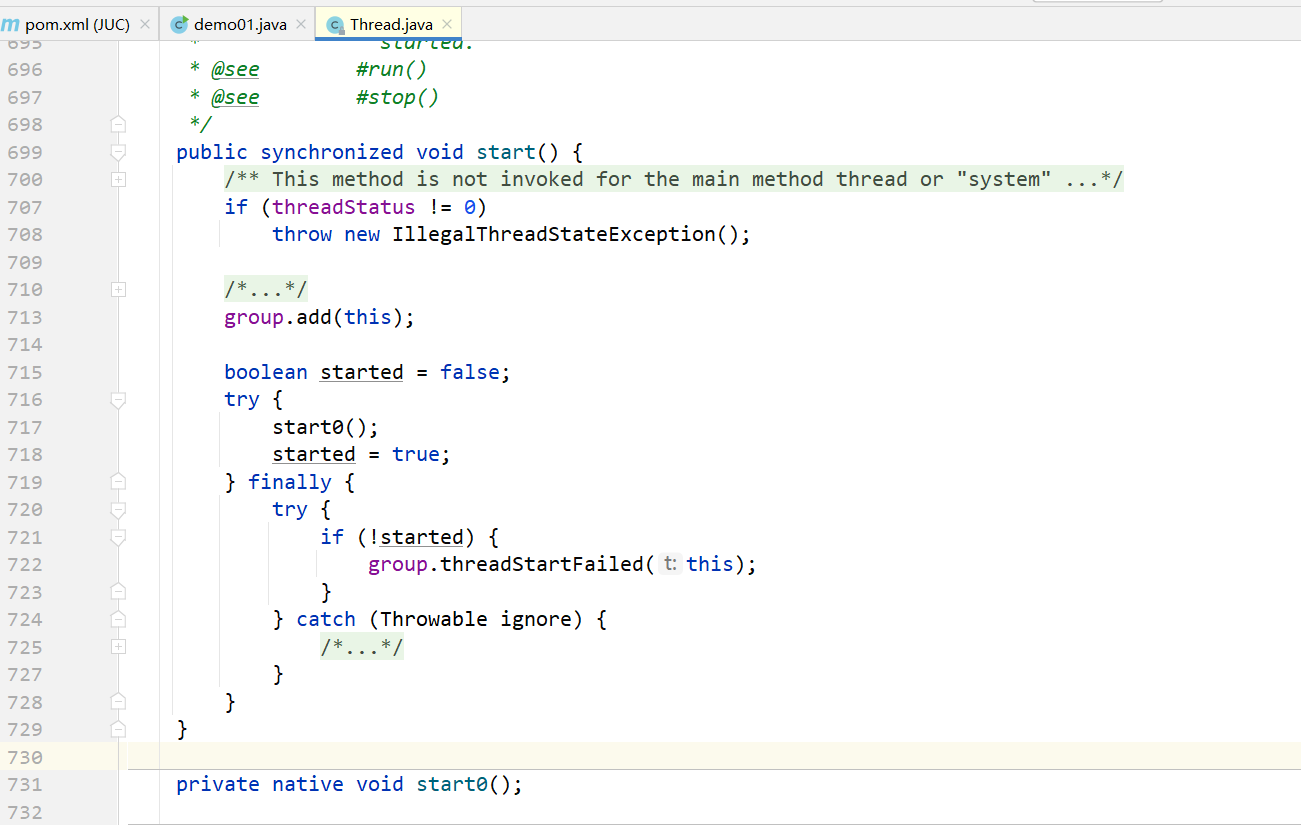
- Java真的可以开启线程吗?
- 开不了的!
- Java是没有权限去开启线程、操作硬件的,这是一个native的一个本地方法,它调用的底层的C++代码。
并发、并行。
- 并发编程:并发、并行。
- 并发:多线程操作同一个资源。
- CPU一核,模拟出来多条线程,快速交替。
- 并行:多人一起行走。
- CPU多核,多个线程可以同时执行。可以考虑线程池。
public class demo01 { public static void main(String[] args) { // 获取CPU核数,CPU密集型,IO密集型 System.out.println(Runtime.getRuntime().availableProcessors()); }}- 并发编程的本质:==充分利用CPU资源==。
线程有几个状态?6个
public enum State {        /**         * Thread state for a thread which has not yet started.         */    // 新建        NEW,
        /**         * Thread state for a runnable thread.  A thread in the runnable         * state is executing in the Java virtual machine but it may         * be waiting for other resources from the operating system         * such as processor.         */    // 运行        RUNNABLE,
        /**         * Thread state for a thread blocked waiting for a monitor lock.         * A thread in the blocked state is waiting for a monitor lock         * to enter a synchronized block/method or         * reenter a synchronized block/method after calling         * {@link Object#wait() Object.wait}.         */    // 阻塞        BLOCKED,
        /**         * Thread state for a waiting thread.         * A thread is in the waiting state due to calling one of the         * following methods:         * <ul>         *   <li>{@link Object#wait() Object.wait} with no timeout</li>         *   <li>{@link #join() Thread.join} with no timeout</li>         *   <li>{@link LockSupport#park() LockSupport.park}</li>         * </ul>         *         * <p>A thread in the waiting state is waiting for another thread to         * perform a particular action.         *         * For example, a thread that has called <tt>Object.wait()</tt>         * on an object is waiting for another thread to call         * <tt>Object.notify()</tt> or <tt>Object.notifyAll()</tt> on         * that object. A thread that has called <tt>Thread.join()</tt>         * is waiting for a specified thread to terminate.         */    // 等待        WAITING,
        /**         * Thread state for a waiting thread with a specified waiting time.         * A thread is in the timed waiting state due to calling one of         * the following methods with a specified positive waiting time:         * <ul>         *   <li>{@link #sleep Thread.sleep}</li>         *   <li>{@link Object#wait(long) Object.wait} with timeout</li>         *   <li>{@link #join(long) Thread.join} with timeout</li>         *   <li>{@link LockSupport#parkNanos LockSupport.parkNanos}</li>         *   <li>{@link LockSupport#parkUntil LockSupport.parkUntil}</li>         * </ul>         */    // 超时等待        TIMED_WAITING,
        /**         * Thread state for a terminated thread.         * The thread has completed execution.         */    // 终止        TERMINATED;    }
wait/sleep的区别:
-
来自不同的类;
- wait—> Object
- sleep—> Thread
- 一般情况下,企业中使用休眠的是:
import java.util.concurrent.TimeUnit;public class Demo01 {public static void main(String[] args) throws InterruptedException {TimeUnit.DAYS.sleep(1); // 休眠1天TimeUnit.SECONDS.sleep(1); // 休眠1s}} -
关于锁的释放;
- wait 会释放锁;
- sleep睡觉了,不会释放锁;
-
使用的范围是不同的;
- wait 必须在同步代码块中;
- sleep 可以在任何地方睡;
-
是否需要捕获异常。
- wait是不需要捕获异常;
- sleep必须要捕获异常;
3.Lock锁(重点)
Section titled “3.Lock锁(重点)”- 传统的Synchronized。
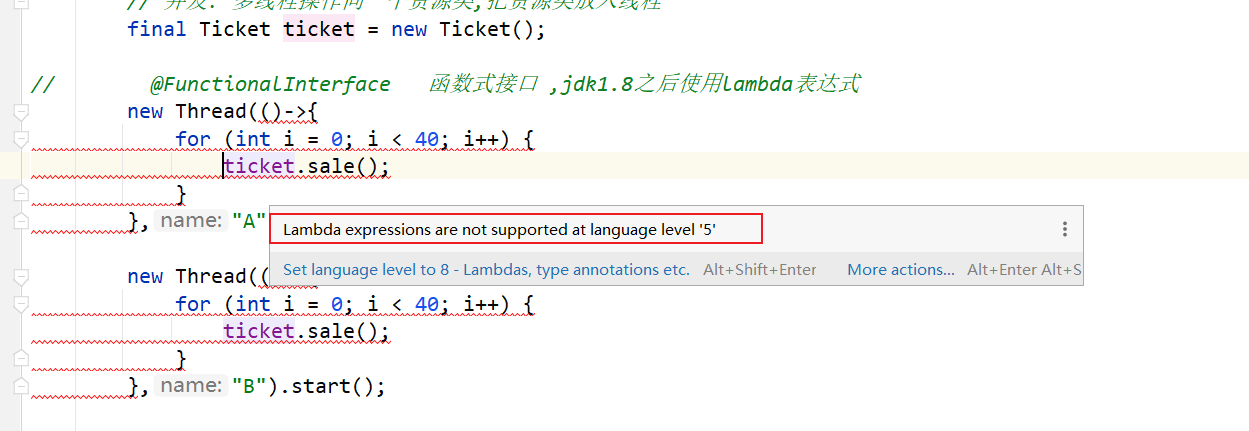
package github.subei.demo01;
/** * 基本的卖票例子 * @author subeiLY * @create 2021-06-09 08:39 *//*真正的多线程开发——公司中的开发线程就是一个单独的资源类,没有任何附属操作。1.属性、方法 */public class SaleTicketDemo01 {    public static void main(String[] args) {        // 多线程操作        // 并发: 多线程操作同一个资源类,把资源类放入线程        Ticket ticket = new Ticket();
//        @FunctionalInterface   // 函数式接口 ,jdk1.8之后使用lambda表达式        new Thread(()->{            for (int i = 0; i < 40; i++) {                ticket.sale();            }        },"A").start();
        new Thread(()->{            for (int i = 0; i < 40; i++) {                ticket.sale();            }        },"B").start();
        new Thread(()->{            for (int i = 0; i < 40; i++) {                ticket.sale();            }        },"C").start();    }}
// 资源类 OOP// 属性 + 方法class Ticket{    private int number = 60;
    // 卖票的方式    // synchronized 本质:队列、锁    public synchronized void sale(){        if(number>0){            System.out.println(Thread.currentThread().getName() + "卖出了第" + number + "张票,还有" + number + "张票。");            number--;        }    }}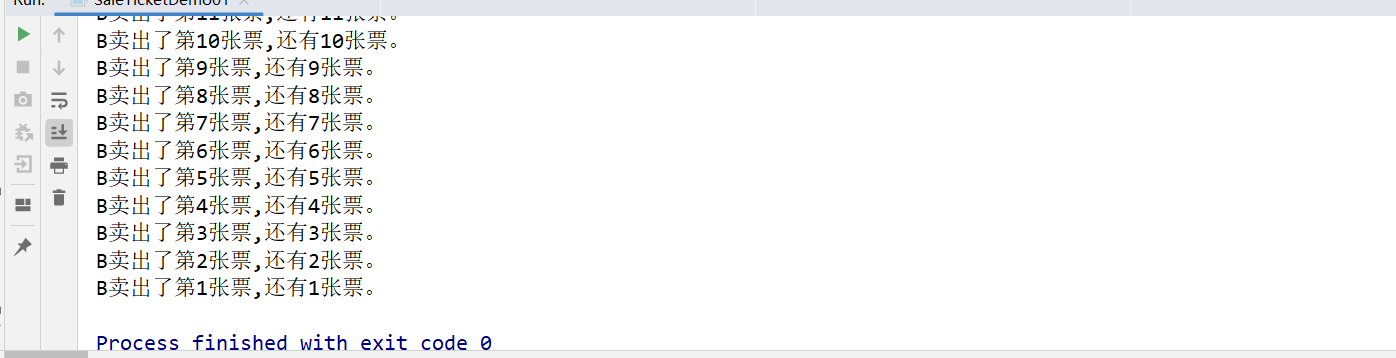
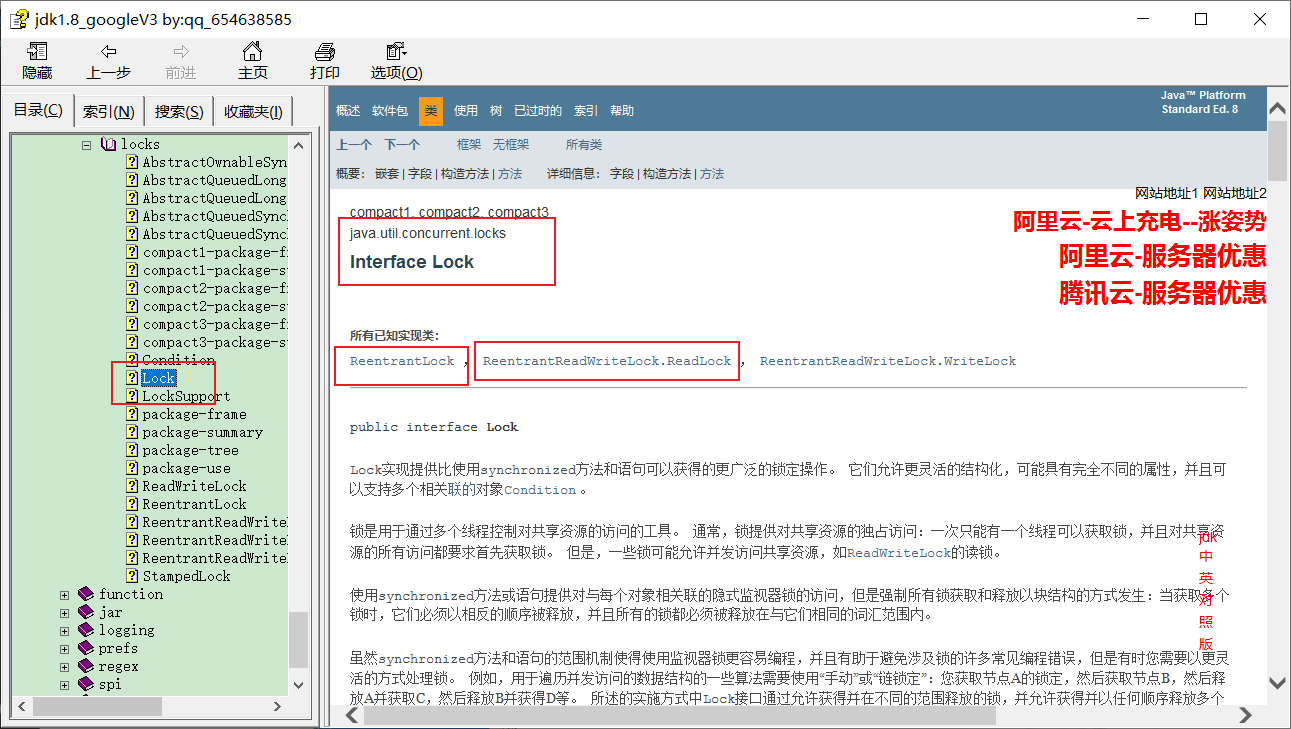
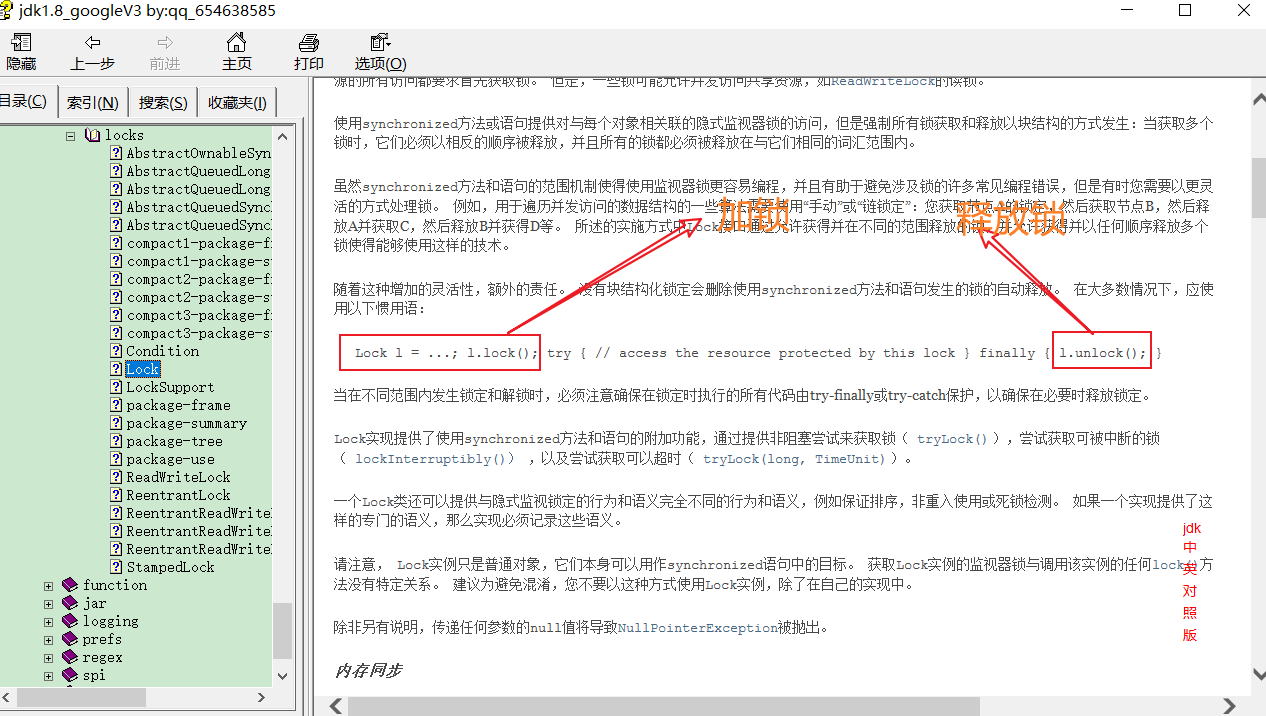
- Lock接口。
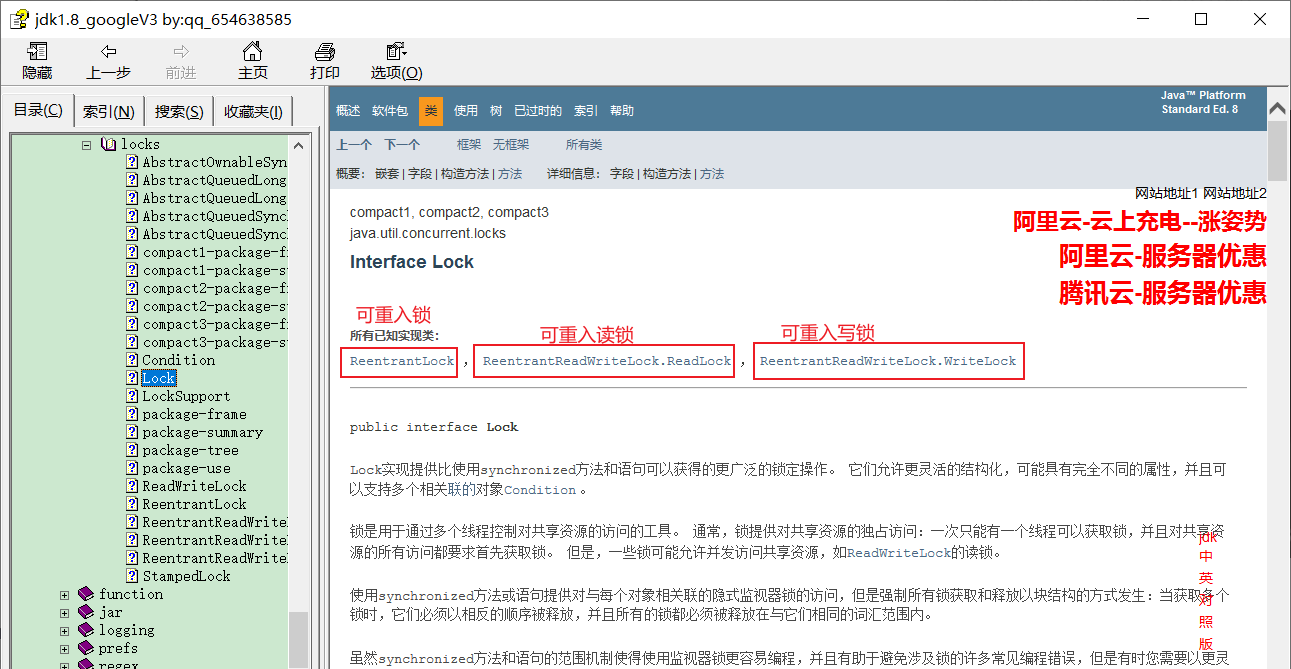
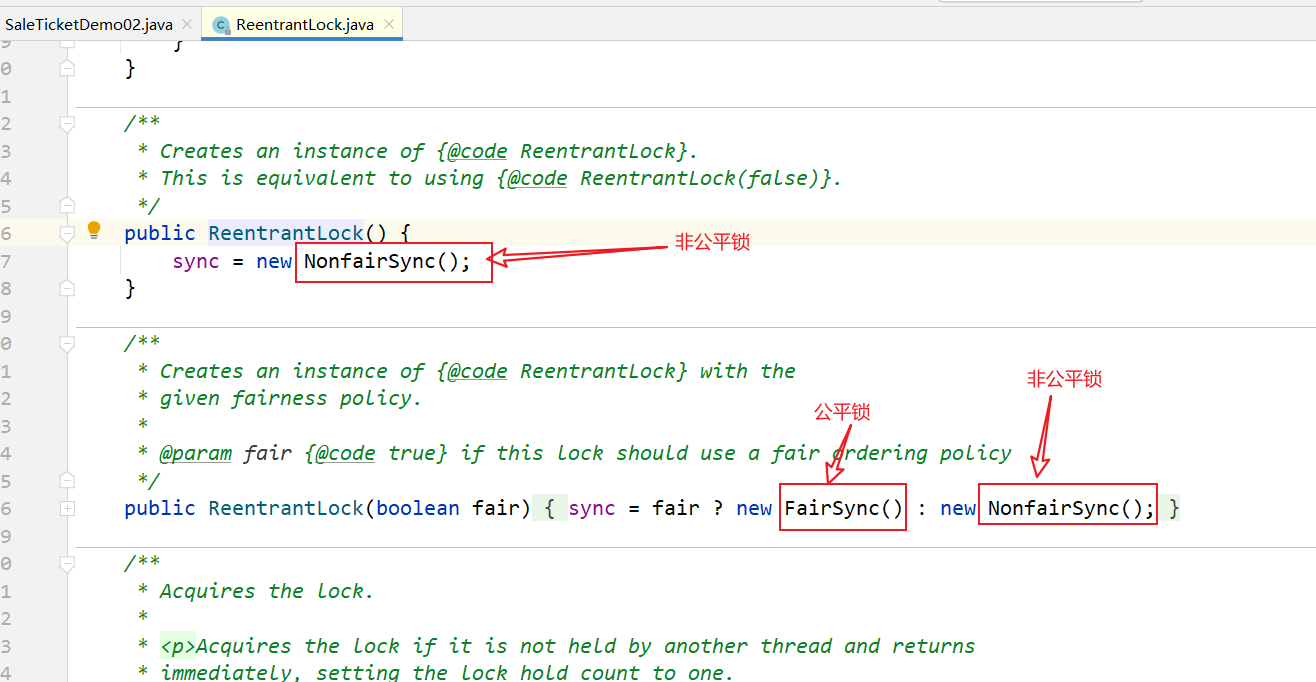
- 公平锁: 十分公平,必须先来后到;
- 非公平锁:十分不公平,可以插队;(默认为非公平锁)
package github.subei.demo01;
import java.util.concurrent.locks.Lock;import java.util.concurrent.locks.ReentrantLock;
/** * 基本的卖票例子 * @author subeiLY * @create 2021-06-09 08:39 *//*真正的多线程开发——公司中的开发线程就是一个单独的资源类,没有任何附属操作。1.属性、方法 */public class SaleTicketDemo02 {    public static void main(String[] args) {        // 多线程操作        // 并发: 多线程操作同一个资源类,把资源类放入线程        Ticket02 ticket = new Ticket02();        new Thread(()->{            for (int i = 0; i < 40; i++) {                ticket.sale();            }        },"A").start();
        new Thread(()->{            for (int i = 0; i < 40; i++) {                ticket.sale();            }        },"B").start();
        new Thread(()->{            for (int i = 0; i < 40; i++) {                ticket.sale();            }        },"C").start();    }}
/*lock三部曲1.Lock lock=new ReentrantLock();2.lock.lock() 加锁3.finally=> 解锁:lock.unlock(); */class Ticket02{    private int number = 40;
    Lock lock = new ReentrantLock();
// 卖票的方式 // 使用lock锁 public void sale(){ // 加锁 lock.lock(); try{ // 业务代码 if(number>0){ System.out.println(Thread.currentThread().getName() + "卖出了第" + number + "张票,还有" + number + "张票。"); number--; } }catch (Exception e){ e.printStackTrace(); }finally { // 解锁 lock.unlock(); } }}-
Synchronized 和 Lock区别:
-
Synchronized 内置的Java关键字,Lock是一个Java类;
-
Synchronized 无法判断获取锁的状态,Lock可以判断;
-
Synchronized 会自动释放锁,lock必须要手动加锁和手动释放锁!可能会遇到死锁;
-
Synchronized 线程1(获得锁->阻塞)、线程2(等待);而lock就不一定会一直等待下去,因为lock会有一个trylock去尝试获取锁,不会造成长久的等待;
-
Synchronized 是可重入锁,不可以中断的,非公平的;Lock,可重入的,可以判断锁,可以自己设置公平锁和非公平锁;
-
Synchronized 适合锁少量的代码同步问题,Lock适合锁大量的同步代码。
-
-
锁到底是什么? 如何判断锁的是谁?
Section titled “锁到底是什么? 如何判断锁的是谁?”